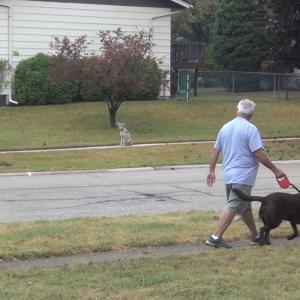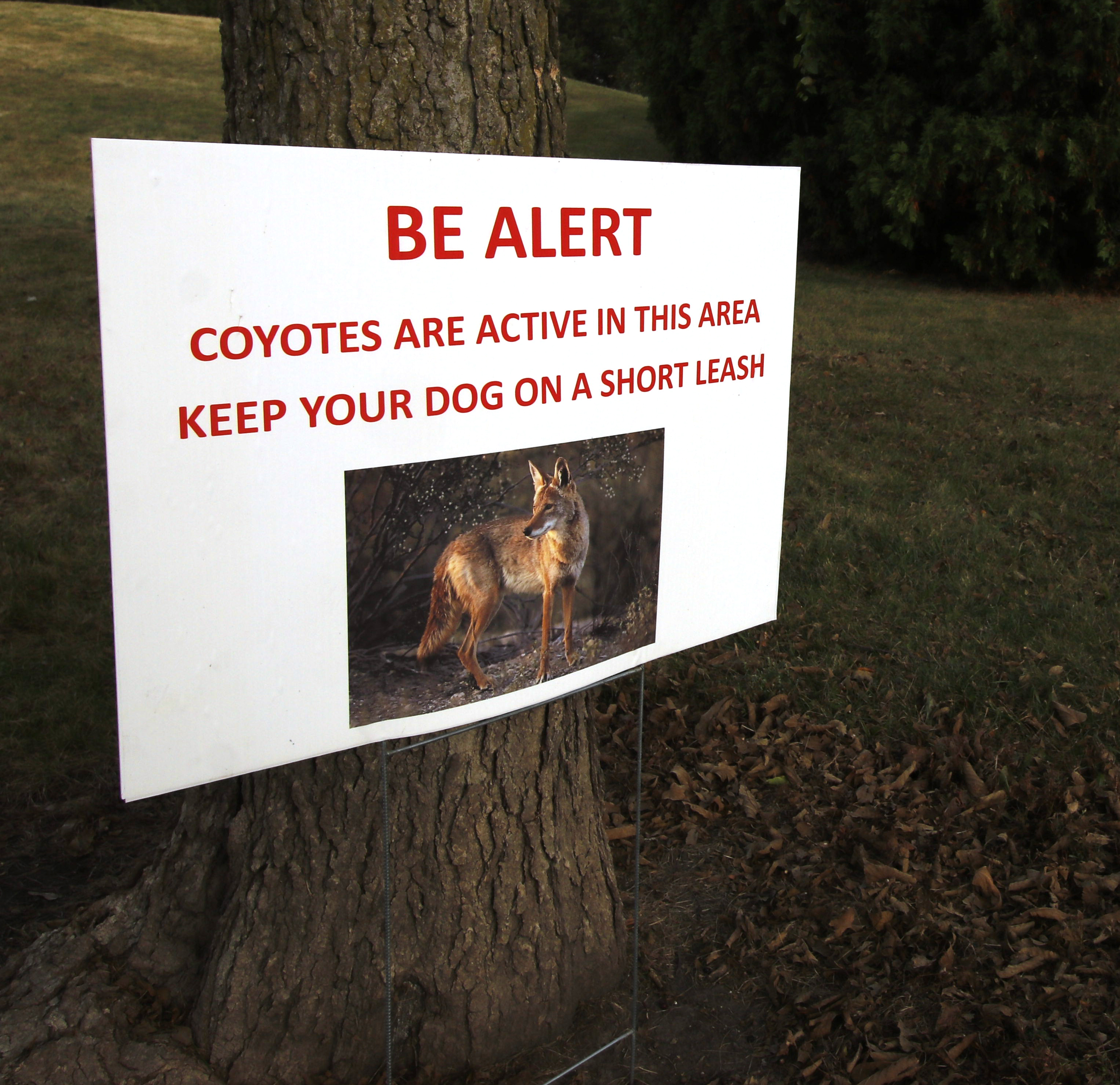
Although coyotes have been known to attack humans (and pets) and as such are a potential danger to people, especially children, risks are minimal and we feel that the majority of attack incidents could be reduced or prevented through modification of human behavior.
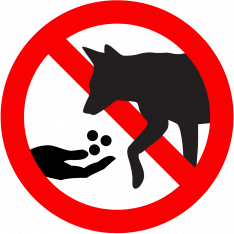
1. Do not feed coyotes
The number one most effective way to prevent coyote attacks in your neighborhood is to eliminate wildlife feeding. Coyotes that are fed in residential neighborhoods can lose their fear of people and may eventually test humans (and pets) as possible prey. Intentional feeding, such as bait stations in yards or parks, should be strictly avoided. However, many people unintentionally feed coyotes by leaving pet food or garbage out at night or having large bird feeders. Coyotes are usually not interested in bird food, but bird feeders often attract rodents, especially squirrels, which then attract coyotes.
If you are seeing an increase in coyotes, you should additionally review your own actions to ensure compost piles and trash bins are not allowed to be a source of food. Although coyotes seem to have a natural inclination to avoid human-related food, this can change when prey populations are low, or if the coyotes are young and haven’t yet learned to hunt effectively.
Video showing one cause of coyote conflict with people:
2. Do not let pets run loose
Coyotes probably live nearby, even if you don't know it, so do not let pets run loose. When hiking in parks, keep dogs on leashes. Pets left outside, even with fencing, remain at risk for predation and unnecessary conflict. Do not leave your pets unattended outside, not even for a second. Remember, electric fences may keep your pets contained but do not keep other animals away.
Free-ranging domestic cats and feral cat colonies may also serve to attract coyotes; it is important that domestic cats be kept indoors and that feral cats be spayed or neutered to control this population. Bringing food inside when outdoor cats are not feeding might alleviate part of this coyote attractant.
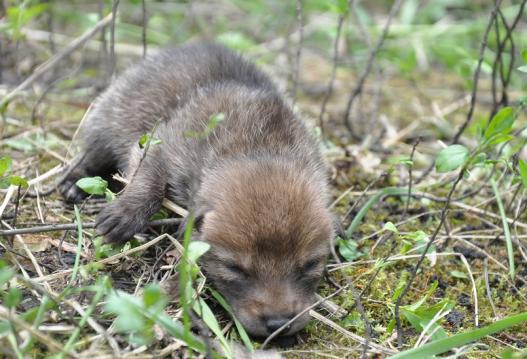
The presence of coyote pups can elevate negative adult coyote behaviors
3. Do not run from a coyote
When you encounter a coyote, shout or throw something in its direction. Do not run away. Do not play victim if you can help it. If a coyote seems intent on defending a certain area, particularly around pupping season (May), your best bet may be to alter your route to avoid conflict with a normally calm animal; understand that there may be seasonal patterns of behavioral changes and act accordingly (see Coyote 748's story). We recommend if you are out walking that you carry some sort of noise maker with you (some have reported success scaring off coyotes by shaking a can of rocks).
If you see a coyote during the daytime, you should exhibit caution, as that coyote may have become habituated to humans (and may be more likely to attack). If you are approached by a coyote, you should yell, wave your arms, and/or throw something at the coyote (do not run away).
4. Repellents or fencing may help
Some repellents may work in keeping coyotes out of small areas such as yards, although these have not been tested thoroughly for coyotes. Repellents may involve remotely activated lights or sound-making devices. Fencing may keep coyotes out of a yard, particularly if it is more than six feet in height with a roll bar across the top. Spray repellents (pepper spray, etc) that you can carry with you have been reported with only moderate to no success.
5. Do not create conflict where it does not exist
If a coyote is acting as a coyote should by avoiding humans and pets, do not seek out opportunities to haze or otherwise aggravate the animal. Embracing communal respect is key.
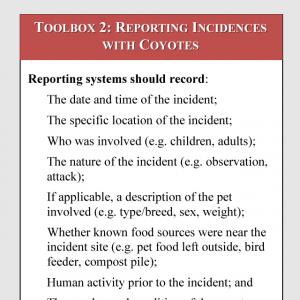
6. Report aggressive, fearless coyotes immediately
When a coyote fails to exhibit fear of humans or acts aggressively, the animal should be reported as soon as possible to the appropriate officials. It is recommended that towns have a procedure in place to handle these reports. Signs of aggression are similar to those shown by domestic dogs and include agitated barking (unprovoked), raised hackles, snarling, growling, and lunging. These behaviors are usually preceded by other indications as shown in the chart below, though may change seasonally (see "suggestion 3" above).
Wondering who to call with your coyote concerns? If you are having a conflict with a coyote, you may need to contact your individual town's animal control or police department to learn about their protocols for handling coyote issues since each municipality and agency may respond differently. You may also contact the Illinois Department of Natural Resources for further guidance. In most instances, removal of a non-dangerous coyote (i.e., one that is simply present but not causing harm) will be the responsibility of the individual homeowner. In this case, you will need to contract with a licensed wildlife trapper. Wildlife handling of any type should always be provided by a professional.
In non-threatening situations, our research indicates that often it is best to leave coyotes where they are since the removal of one animal does not ensure removal of coyotes from your area in general. Most municipalities have adopted this belief.
Because this project is research driven, assisting private homeowners with their individual issues with coyotes is usually not logistically possible. We are happy, however, to speak with you to offer any guidance we can if you do not find the resources you need online.
When Should I Be Concerned?
A list of signs indicating an increase in threat from coyotes is presented in Figure 1. It is important to note, however, that coyotes are highly variable in their behavior and this sequence may not always be predictive. Still, management programs for urban coyotes should begin with public education and untangling facts from myths. People should understand the differences between true threats and coexistence.
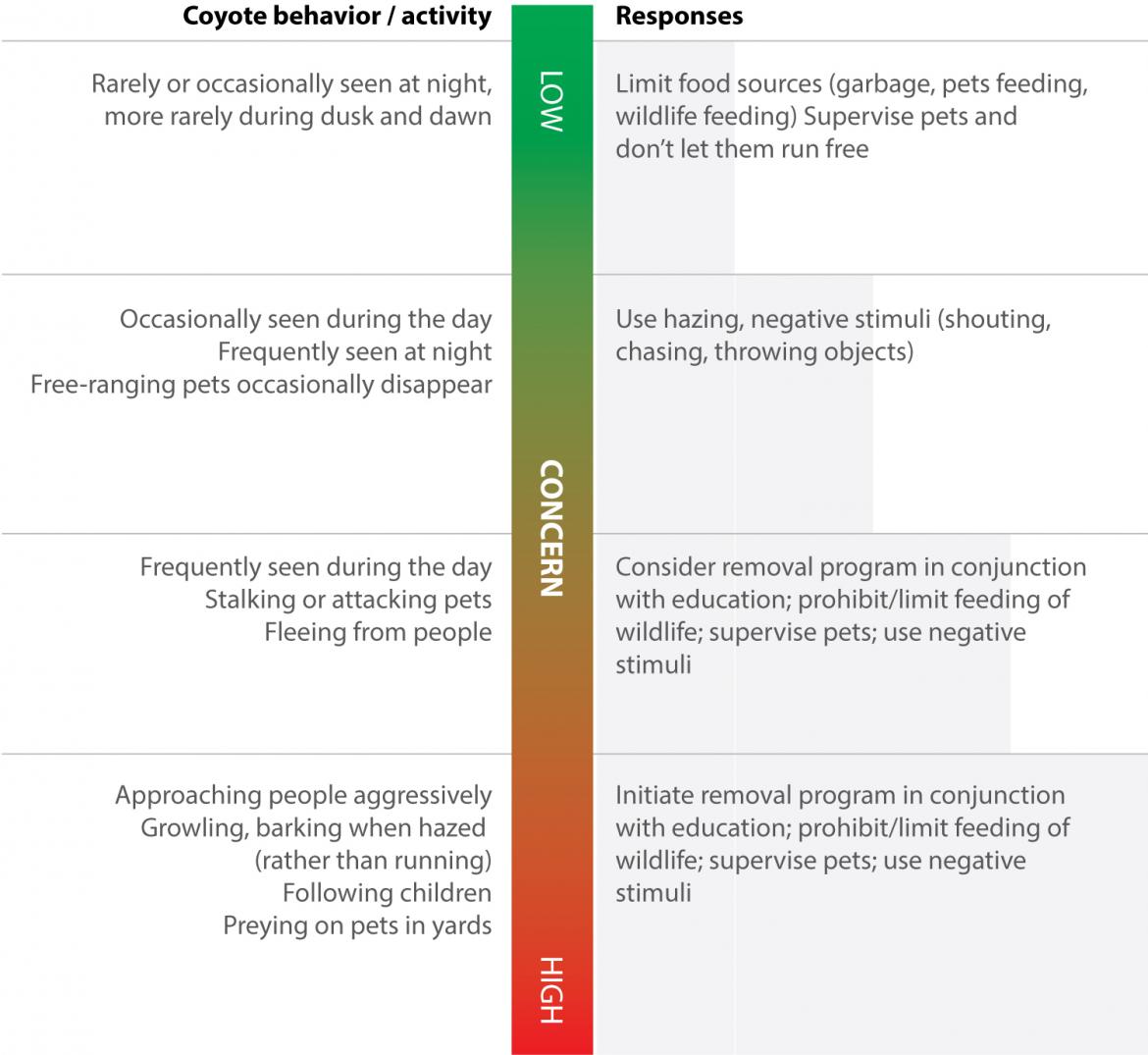
Figure 1. Indicator chart of various coyote threat levels
It is important to stress that our relationship with coyotes is directly affected by our behavior — coyotes react to us, and we can foster mutual respect or a lack of respect through cues we send to them. Coyote removal is best employed as a solution only after education has been attempted or if there is an immediate, and obvious, threat to human safety.